China dropped a headline grabber on Tuesday: June exports surged 27% year-on-year to $4.12 billion, pushing H1 2026 total trade to a record 25.47 trillion yuan (+16.9%). On the surface, these numbers look like vindication — proof that Chinese manufacturing can power through tariffs, Hormuz chaos, and global uncertainty. The state media machine is calling it a “resilience victory.”
It’s not. Here’s why.
The Front-Loading Trap Is About to Snap Shut
That 27% June spike? It’s largely artificial — a textbook demand pull-forward. U.S. importers, staring at a July 24 deadline when the 10% Section 122 global tariff expires, rushed everything they could onto vessels before the window closed. The same scramble pushed Shanghai-Los Angeles rates to $6,219/FEU — still elevated despite a 6.2% drop in the latest SCFI reading.
Here’s the math that matters: if the 10% tariff expires as scheduled on July 24 (and a federal appeals court just upheld it), that 27% boom becomes a 27% hangover in July-August. The cargo is already on the water or sitting in American warehouses. Orders that were pulled forward won’t be reordered. The demand vacuum will hit Chinese factories by mid-August, and the SCFI, which has already fallen 4.3% in its second consecutive weekly decline, has further to drop.
The 12.5% Shadow Looms Larger Than the 10% Expiry
This is where most trade analysts are getting it wrong. They’re treating July 24 as a binary event — tariff ends, relief follows. But the USTR has already proposed a 12.5% Section 301 tariff on China and 46 other economies, with hearings concluded on July 7. The manufacturing capacity overcapacity probe — covering 16 economies including China, the EU, Japan, Korea, and Vietnam — is also due to report around July 24.
Translation: the 10% tariff expiring doesn’t mean tariffs go down. It means the mechanism changes. From Section 122 (temporary, executive-only) to Section 301 (potentially permanent, tied to trade practices). The rate may even go up to 12.5%.
For Chinese exporters and freight forwarders, this is a far worse scenario. The 10% tariff had a sunset clause — there was always a light at the end of the tunnel. A Section 301 tariff is structural. It doesn’t expire. It becomes part of the new normal.
The Real Story: China’s Trade Is Splitting in Two
The June data conceals a deeper structural shift. On one side, AI-related trade — computing hardware, smart manufacturing equipment, NEV batteries — grew 57% in H1, contributing massively to the headline number. On the other side, traditional light manufacturing exports (textiles, furniture, toys, basic electronics) are flat to declining when you strip out the front-loading effect.
This is the divergence that matters for logistics providers. High-value, time-sensitive AI and EV components move by air or premium ocean services. Basic consumer goods move by standard container. The carriers and forwarders who win in the next 12 months will be those who build dedicated capabilities for the premium segment, not the ones competing for base-load container volume.
Bunker Costs Aren’t Helping
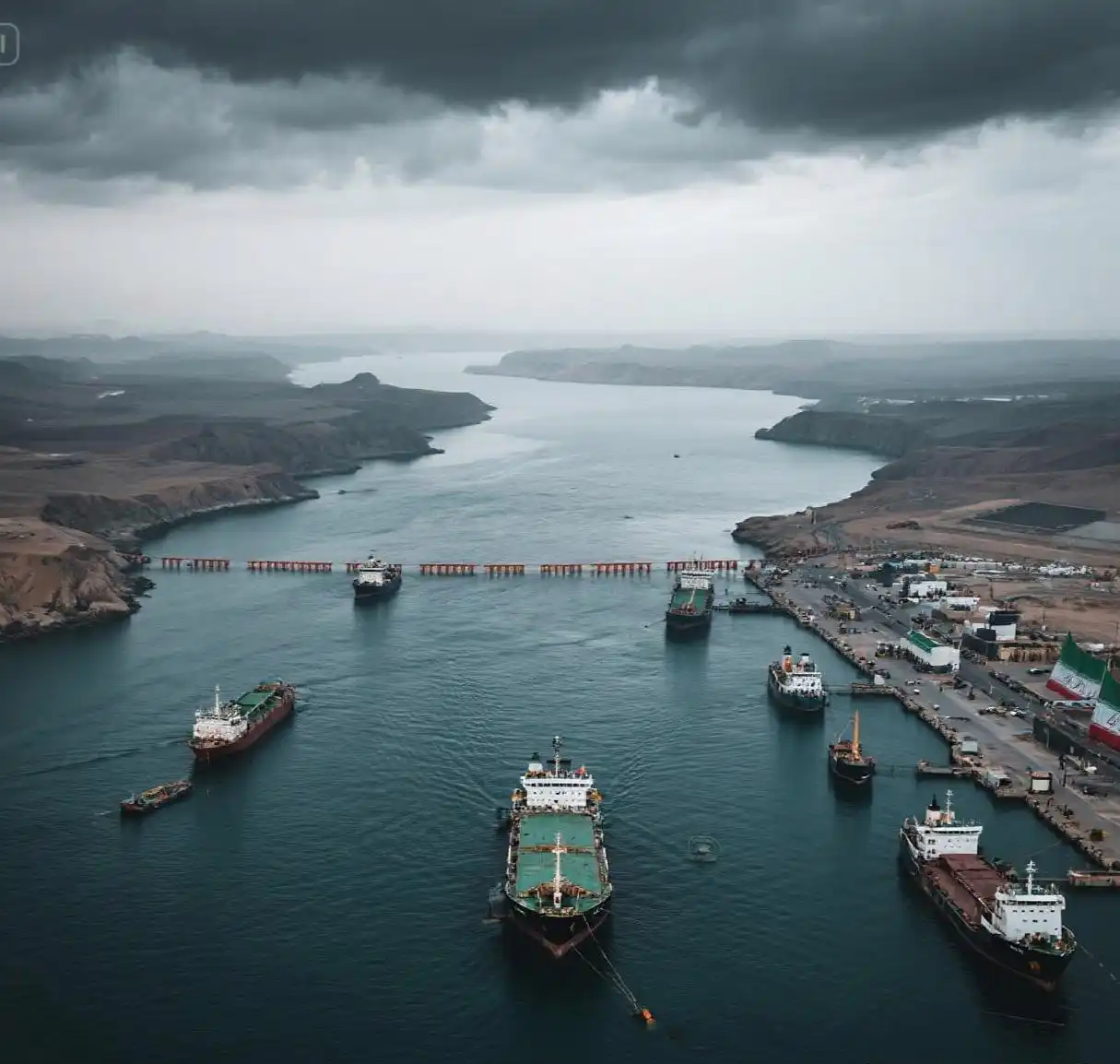
Meanwhile, the Hormuz crisis continues to inflate the one cost carriers can’t control. Brent crude sits at 83.60/barrel — up 9.5% since the U.S. blockade of Iranian ports began on July 14. Middle East 380CST bunker fuel has jumped over 10% in July alone. For a carrier burning50,000- 80,000 a day in fuel on a single Asia-Europe rotation, every5/barrel rise eats 8-10% of operating margin.
Combined with falling spot rates and an imminent demand cliff, the Q3 margin picture for ocean carriers is the worst it’s looked all year.
The Bottom Line for Importers
If you have shipments scheduled for August-September departure from China, now is the time to negotiate. The rate cycle has turned, and carriers who were quoting $7,000+ for a USWC container in June will be far more flexible by mid-August as the front-loading demand evaporates. Don’t lock into long-term contracts at July’s elevated levels.
The 27% June export number wasn’t a sign of strength. It was the last gasp of a tariff-driven demand pull-forward. The real test of China’s trade resilience starts in August.
Vinia Cargo HK — Your China Sourcing & Freight Partner Since 2017. www.viniacargo.com