Once you’ve locked in a supplier, negotiated pricing, and signed off on a QC inspection, there’s one more hurdle that separates profitable sourcing from a money pit: logistics.
Too many first-time importers treat shipping as an afterthought. That’s a mistake. Logistics in China is a strategic lever. Get it right, and you save 15–30% on landed costs. Get it wrong, and your margin disappears before the container leaves the port.
Here’s what actually matters.
1. Know Your Incoterms Cold
– FOB (Free on Board): You control the carrier. Good for volume shipments with a consolidated freight agreement.
– EXW (Ex Works): Maximum control, maximum headache — you arrange pickup from the factory gate. Only worth it with a trusted freight partner on the ground.
– CIF/CFR: Supplier handles shipping. Convenient, but you lose visibility and they’ll pad the freight cost.
Practical advice: For new suppliers, stick with FOB. You pick the forwarder, you get the real rate, and you avoid the supplier marking up freight by 20%.
2. Consolidation — Friend and Enemy
LCL per-CBM rates can be 2–3x a full container’s equivalent. Plus your goods sit waiting for consolidation to fill.
The trick: Find a consolidation group or co-loading program. Many Chinese forwarders run weekly LCL fixed-departure schedules. For orders under 10 CBM, this is often the cheapest path.
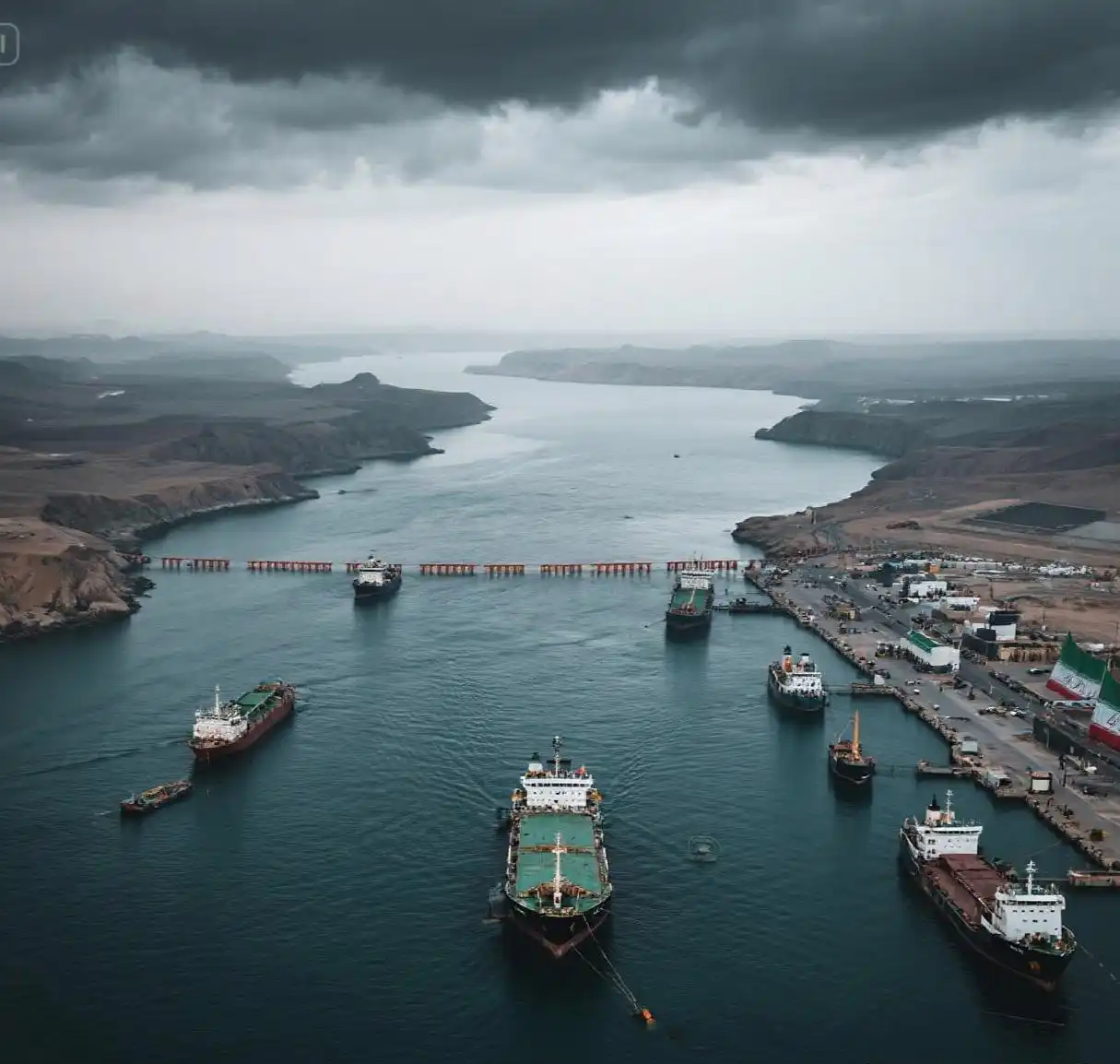
3. Port Strategy

Pro tip: Inland factories (Hunan, Sichuan, Henan) = trucking 2–3 days + theft risk. Always insure the domestic leg.
4. Documentation — The Silent Killer
#1 reason containers get held at Chinese customs: mismatched HS codes across invoice, packing list, and B/L.
Use one verified HS code across all docs. A 48-hour customs hold costs $200–500 in detention — plus a delayed shipment.
5. Vetting Your Forwarder
Don’t go with the cheapest quote:
– Ask for three references
– Check their NVOCC license (no license = double margin)
– Test responsiveness: message at 10 PM Beijing — if no reply by 9 AM, move on
6. The Underrated Metric: Time-to-Port
For time-sensitive goods, the cheapest sea route is a trap. Consider air-sea combo (truck to Korea/Vietnam → air for final leg). Cuts 7–10 days off ocean transit without full air freight cost.
Final Thought
Logistics isn’t about moving boxes. It’s about control, predictability, and eliminating hidden costs. Vet your forwarder like you vetted your manufacturer. 🚢