
If you’ve booked a container this quarter, you’ve likely noticed something strange — rates are all over the map, and the usual seasonal logic isn’t holding.
Here’s why: the shipping market isn’t one market anymore. It’s two.
📊 The Great Divergence
Q1 2026 earnings tell the story. While cargo volumes grew year-on-year for most major lines, net profits took a beating:
• Kuehne+Nagel — double-digit profit decline despite cost-cutting initiatives
• ONE — net profit crushed by overcapacity pressure on major tradelanes
• Maersk — ocean segment swung from profit to loss
• CMA CGM — Q3 2025 net profit already down 72.6%, and the slide continued into 2026
• Hapag-Lloyd — Jan-Sep 2025 net profit halved, full-year EBIT guidance cut to €0.5–1B
The exception? Pacific International Lines (PIL) posted resilient FY2025 earnings — container shipping revenue up to US$3.81B, EBIT margin at a respectable 27%. Their secret? Disciplined yield management and high asset utilisation on niche trade corridors.
🚢 Why Small Is Beautiful Right Now
The small-vessel market (sub-6k TEU) is telling a very different story:
• 28.4% of ships under 3k TEU are over 20 years old — supply is structurally constrained
• Backlog orders for these sizes are only 12.6–20.1% of existing capacity
• Chinese operators like Zhonggu Logistics have foreign-charter vessel orders booked through 2027–2028
Meanwhile, the mega-vessel segment faces a tsunami of new supply. UNCTAD data shows global containership orderbook hit a record 8.3 million TEU at end-2024 — much of it being delivered now, flooding the main east-west routes.
⚠️ What This Means for Your Shipments

Bottom line:
If you’re shipping on mainline east-west routes, you have negotiating power. If you’re moving cargo on secondary lanes or need small-vessel feeder capacity, expect less flexibility and firmer pricing.
🔮 Forward View
Analysts expect the split to widen through H2 2026:
• Mainline carriers will lean heavily on blank sailing programs to manage rate erosion
• Small-vessel operators will continue enjoying above-trend utilisation
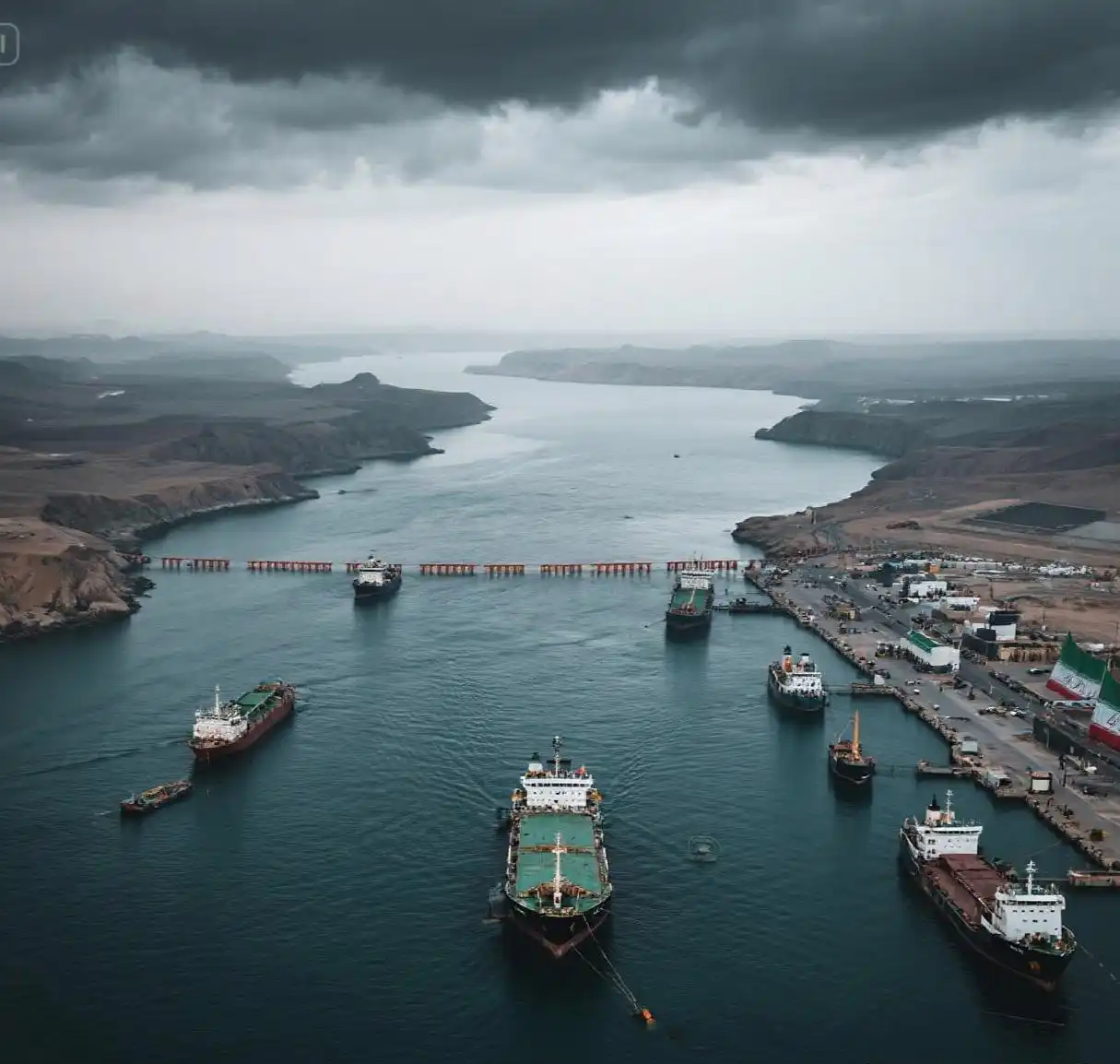
• The Hormuz Strait risk premium (still simmering) adds upside optionality for tanker and container repositioning costs
The old saying used to be “a rising tide lifts all boats.” In 2026, it’s more like a rising tide lifts the right-sized boats — and everyone else is bailing water.
Vinia Cargo HK — Making sense of the market, one TEU at a time.