China Sourcing Blog Tips, Guides & Industry Insights Vinia Cargo HK
Expert guides on sourcing from China, supplier verification, freight optimization, and quality control. Practical tips for global buyers from Vinia Cargo HK’s team.
Here’s the puzzle keeping logistics managers up at night: global container ship capacity is at an all-time high, yet freight rates on major East-West trades are stubbornly climbing. Something doesn’t add up — unless you understand the structural forces reshaping ocean freight in mid-2026. The Numbers That Matter China’s latest
China dropped a headline grabber on Tuesday: June exports surged 27% year-on-year to $4.12 billion, pushing H1 2026 total trade to a record 25.47 trillion yuan (+16.9%). On the surface, these numbers look like vindication — proof that Chinese manufacturing can power through tariffs, Hormuz chaos, and global uncertainty. The
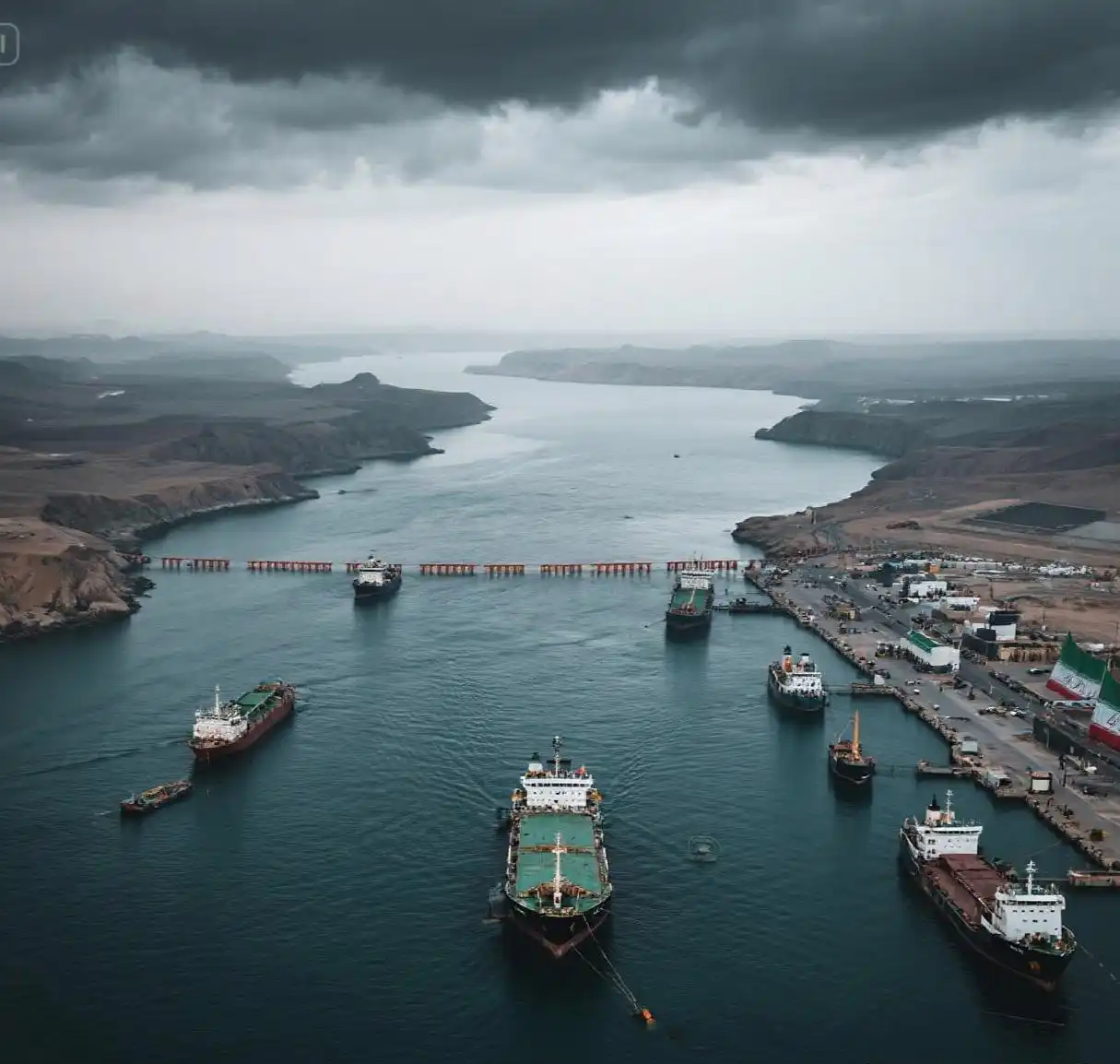
Container shipping entered July 2026 riding a ten-week freight rate rally. Then the Strait of Hormuz blew up, and the math changed overnight. On July 11, the Shanghai Containerized Freight Index (SCFI) posted its first decline after ten consecutive weeks of gains — down 4.3% to 3,184.83 points. Spot rates
If you’re in international logistics and haven’t been watching what happened on July 1 — and what’s coming on July 24 — you’re already behind. July 2026 marks a structural break in how goods move across borders. Not a cyclical dip. A regime change. The EU Fired First — and
If you’ve been importing from China for more than six months, you already know the hard truth: the cheapest quote almost never delivers acceptable quality. But here’s the nuance that most sourcing guides miss — the problem isn’t that Chinese factories can’t make quality goods. Many of them already supply
The music stopped Last Friday — at least for a moment. After a blistering rally that saw the Shanghai Containerized Freight Index (SCFI) surge from 2,218 in late May to a peak of 3,327 just a week ago — a staggering 50% gain in six weeks — the index finally
If you’ve booked a container this quarter, you’ve likely noticed something strange — rates are all over the map, and the usual seasonal logic isn’t holding. Here’s why: the shipping market isn’t one market anymore. It’s two. 📊 The Great Divergence Q1 2026 earnings tell the story. While cargo volumes
Shippers watching the spot market right now could be forgiven for thinking the gods of container shipping are smiling again. SCFI hit 3,239.64 on June 26 — nine consecutive weekly gains, US West Coast at 6,067/FEU, US East Coast at7,384/FEU, Asia–Europe at ~ 5,766/40HC. Descartes Datamyne reported Asia→US container
If you’re moving goods into or out of Europe, stop what you’re doing and check your carbon cost exposure. Because the regulatory floodgates just opened — and most shippers aren’t ready. Two regulations, one massive cost squeeze The EU is executing a pincer movement on import carbon costs, and 2026
While peak-season rate hikes dominate headlines — MSC just pushed Asia-North Europe FAK to 6,000/FEU and Maersk announced a1,500/FEU PSS for July 7 — a quieter but potentially more structural cost shift is unfolding this week at IMO headquarters in London. IMO member states are again debating whether global